
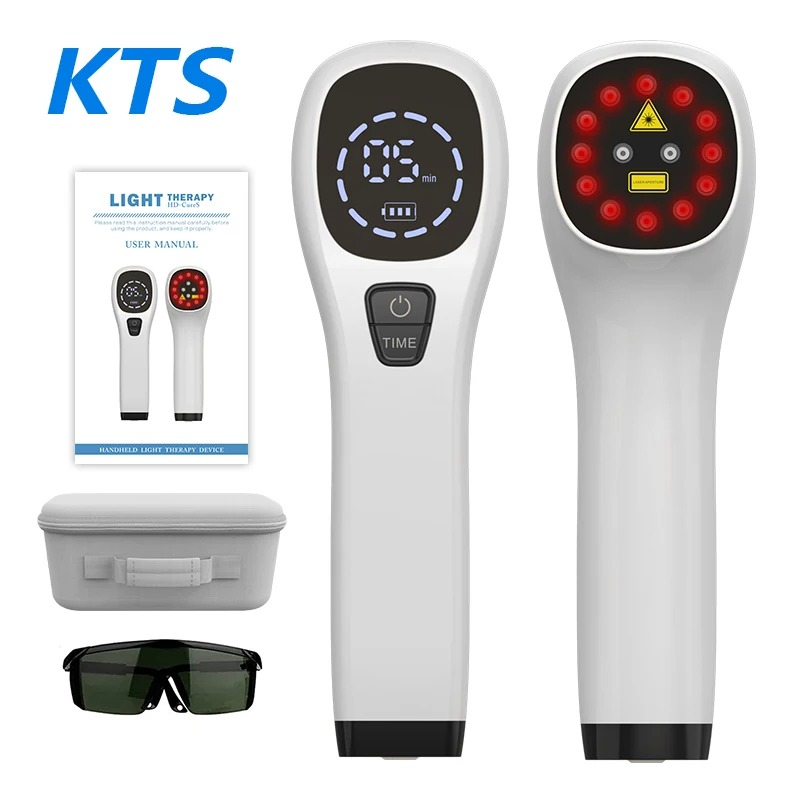
KTS Body Pain Laser Therapy Device for Arthritis Pain Relief
Product information and specifications are provided below.
✓ Fast international shipping
✓ Customer support available
What is Arthritis?

Arthritis is an umbrella term for a group of more than 100 diseases that affect the joints, causing inflammation, pain, and stiffness. The condition can affect one or multiple joints in the body. Over time, arthritis can lead to joint damage and reduced mobility. It can occur in people of all ages, including children, but is more common in older adults.
The two most common types of arthritis are osteoarthritis and rheumatoid arthritis, but there are many other forms, such as psoriatic arthritis and gout.
Types of Arthritis
- Osteoarthritis (OA):
Osteoarthritis is the most common form of arthritis, often referred to as "wear-and-tear" arthritis. It occurs when the cartilage—the flexible tissue that cushions the ends of the bones—breaks down, leading to pain, swelling, and reduced joint flexibility. OA most commonly affects weight-bearing joints such as the knees, hips, and spine, but can also affect the hands and fingers. It typically develops gradually and worsens over time.
- Rheumatoid Arthritis (RA):
Rheumatoid arthritis is an autoimmune disease in which the body's immune system attacks the lining of the joints, causing inflammation, pain, and potentially irreversible damage to the joint tissues. RA typically affects joints on both sides of the body, such as the wrists, knees, and fingers. Unlike osteoarthritis, RA can develop rapidly and may affect other parts of the body, including the skin, eyes, and lungs.
- Psoriatic Arthritis (PsA):
Psoriatic arthritis is a form of arthritis that occurs in people with psoriasis, a skin condition that causes red, flaky patches of skin. PsA can affect any joint in the body and is often characterized by joint pain, stiffness, and swelling. It may also cause changes in the nails, including pitting or separation from the nail bed.
- Gout:
Gout is a type of arthritis caused by the buildup of uric acid crystals in the joints, leading to sudden and severe pain, redness, and swelling. Gout typically affects the big toe but can also affect other joints like the knees, ankles, and wrists. It often occurs after eating foods rich in purines (such as red meat and shellfish) or drinking alcohol, which increase uric acid levels.
Symptoms of Arthritis
The symptoms of arthritis vary depending on the type, but common signs include:
- Joint Pain: One of the most common symptoms, which can range from mild to severe, depending on the type of arthritis and the stage of the condition.
- Stiffness: Particularly in the morning or after periods of inactivity, joints may feel stiff and difficult to move.
- Swelling: Inflammation causes the joints to swell, which may lead to visible redness and warmth around the joint.
- Reduced Range of Motion: As arthritis progresses, affected joints may become less flexible and more difficult to move, which can affect daily activities.
- Fatigue: Many people with rheumatoid arthritis or other inflammatory forms of arthritis experience fatigue or a general feeling of tiredness due to inflammation in the body.
- Joint Deformities: In severe cases, especially with rheumatoid arthritis, joint damage may occur, leading to deformities or visible changes in the appearance of the affected joints.
Causes and Risk Factors
The exact cause of arthritis depends on the type, but common factors include:
- Age: The risk of developing arthritis increases with age, especially for osteoarthritis and rheumatoid arthritis.
- Genetics: Family history can increase the likelihood of developing certain types of arthritis, such as rheumatoid arthritis or osteoarthritis.
- Gender: Some types of arthritis, such as rheumatoid arthritis and lupus, are more common in women. Osteoarthritis, on the other hand, tends to affect both men and women equally.
- Obesity: Excess body weight increases the strain on weight-bearing joints like the knees and hips, raising the risk of developing osteoarthritis.
- Injury: Previous joint injuries or overuse can increase the risk of developing arthritis later in life.
- Immune System Abnormalities: In autoimmune types of arthritis, such as rheumatoid arthritis, the immune system mistakenly attacks the body’s own tissues.
Treatment for Arthritis
While there is no cure for arthritis, there are various treatments that can help manage symptoms, reduce inflammation, and improve the quality of life:
- Medications: Medications like pain relievers (acetaminophen, NSAIDs) and disease-modifying drugs (DMARDs, biologics) can help reduce symptoms and slow disease progression.
- Physical Therapy: Exercise and physical therapy can help strengthen muscles around the affected joints, improving function and reducing pain.
- Joint Protection and Weight Management: Protecting joints from further damage and maintaining a healthy weight can reduce stress on joints, particularly in osteoarthritis.
- Heat and Cold Therapy: Applying heat or cold to inflamed joints can reduce pain and swelling.
- Alternative Therapies: Acupuncture, massage, and certain herbal supplements may provide additional symptom relief.
- Surgery: In severe cases, joint replacement surgery or procedures like arthroscopy may be necessary to manage pain and restore joint function.
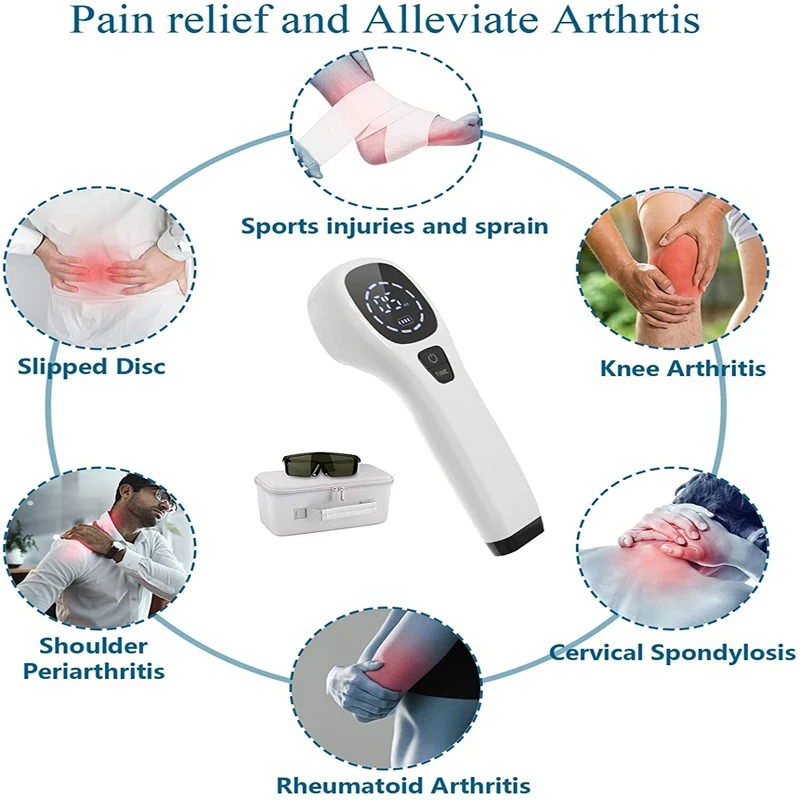
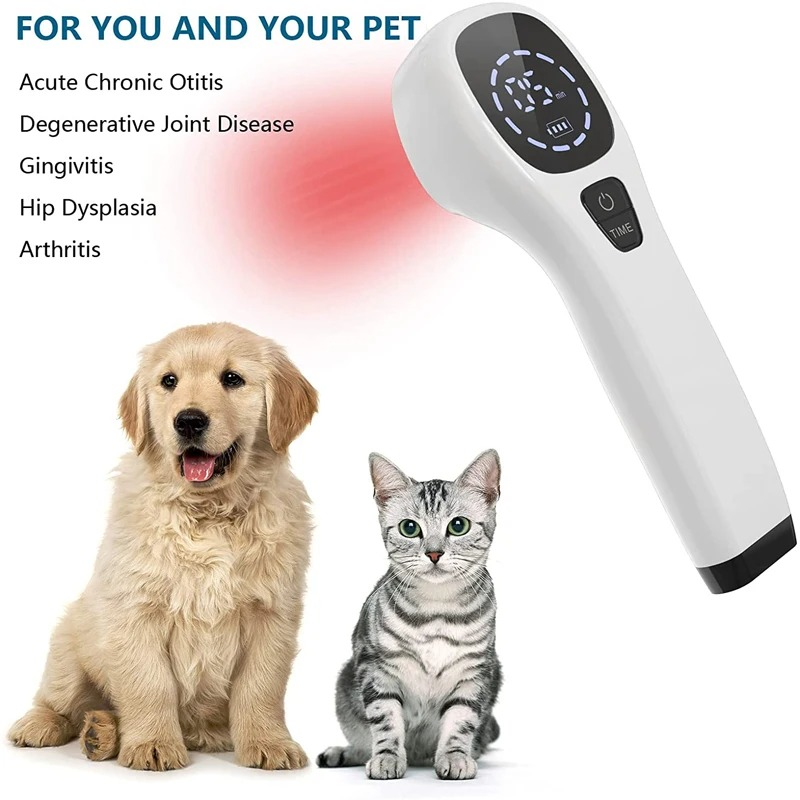
KTS Body Pain Laser Therapy Device for Arthritis Pain Relief
The KTS Body Pain Laser Therapy Device is a cutting-edge physiotherapy tool designed to provide effective pain relief for arthritis sufferers. Using 2x808nm Low-Level Laser Therapy (LLLT) technology, this device delivers therapeutic light directly to affected areas, promoting healing, reducing inflammation, and easing joint pain.
Key Features:
- Targeted Pain Relief: Specifically designed to alleviate arthritis pain, particularly in the knees, shoulders, and other affected joints, by targeting deep tissues and reducing inflammation.
- Advanced 2x808nm LLLT Technology: Uses dual 808nm wavelength laser beams to penetrate the skin, stimulate blood flow, and promote cellular repair at a deep level. This helps to reduce stiffness and improve joint mobility.
- Non-Invasive Treatment: Unlike traditional methods, this device provides a safe, non-invasive alternative to medications, injections, and surgeries, with no side effects.
- Portable and Convenient: Ideal for at-home use, the device is lightweight, easy to use, and can be applied directly to the painful areas for quick and effective results.
- Suitable for Chronic and Acute Arthritis Pain: Whether you suffer from osteoarthritis, rheumatoid arthritis, or other forms of arthritis, this device helps manage chronic pain and provides relief during flare-ups.
Benefits:
- Reduces Inflammation: Helps decrease joint swelling and stiffness, a common issue with arthritis.
- Enhances Mobility: Relieves pain and improves joint function, allowing for easier movement and improved quality of life.
- Promotes Healing: Stimulates cellular repair and speeds up recovery, providing long-term pain management.
- Safe and Effective: A clinically proven method of pain relief, backed by research into Low-Level Laser Therapy.
Whether you’re dealing with knee pain, frozen shoulder, or general arthritis discomfort, the KTS Body Pain Laser Therapy Device offers a natural, effective solution to help you live with less pain and more freedom.